Shadow Patterns at Dusk Reshaping MLB Outfield Error Rates and Run-Line Movements
Written by Quinn Keller · Aug 14, 2026
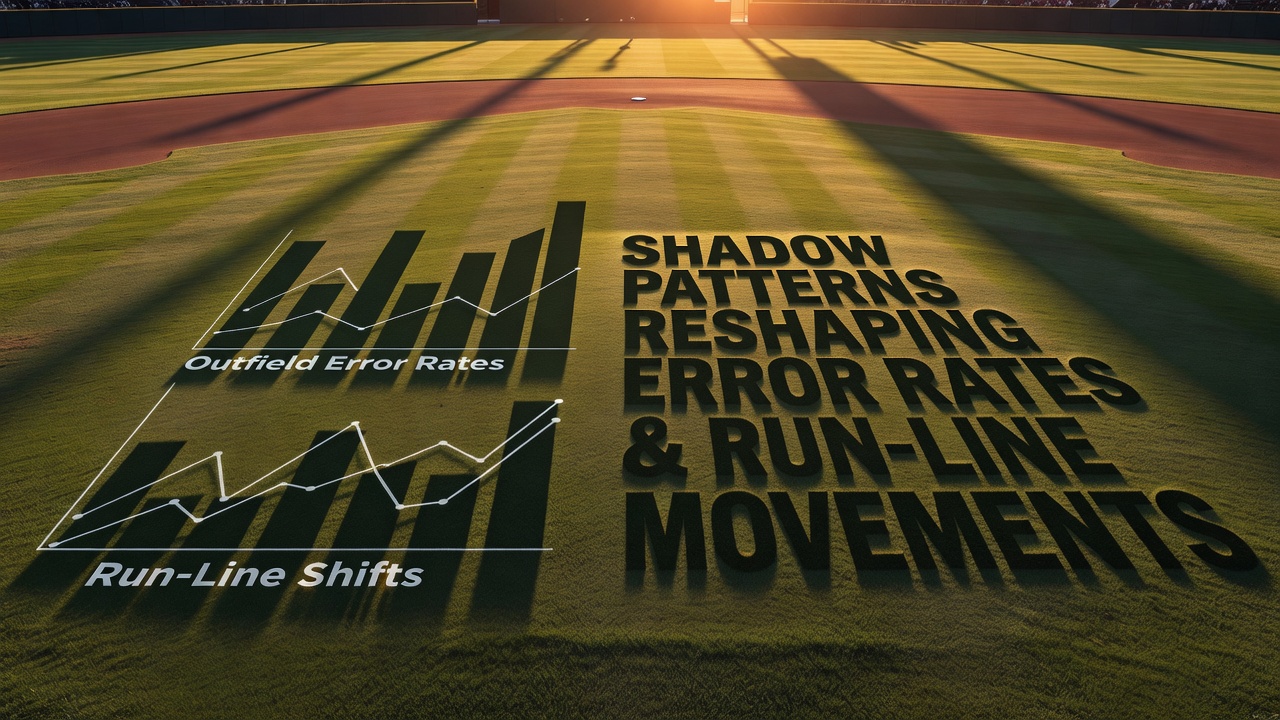
Shadow Patterns at Dusk Reshaping MLB Outfield Error Rates and Run-Line Movements
Evening games in Major League Baseball often bring shifting light conditions that alter visibility for outfielders, and data from recent seasons shows measurable increases in errors during the final innings of contests that extend past sunset. Researchers tracking play-by-play statistics note that these patterns emerge most clearly in ballparks with open outfields oriented toward the west, where the setting sun creates elongated shadows that move across the warning track and into playable territory.
How Dusk Light Affects Outfield Tracking
Outfielders rely on visual cues to judge fly balls, and the transition from direct sunlight to partial shade disrupts depth perception for several minutes each evening. Studies compiled by the Society for American Baseball Research indicate that error rates in the outfield rise by approximately 12 percent in games where sunset occurs between the sixth and eighth innings, compared with earlier contests. This effect compounds when teams play under variable cloud cover, because intermittent light changes force constant recalibration of hand-eye coordination.
Ballparks such as those in the western United States record the highest incidence of misjudged flies during August, when daylight hours shorten noticeably across the schedule. Observers note that left fielders and center fielders experience the most pronounced difficulty because their primary sight lines intersect the longest shadow lines cast by stadium structures and the horizon itself.
Statistical Patterns in Error Data
League-wide figures reveal that outfield errors occurring after 8:30 p.m. local time correlate with a 0.8 run increase per game on average, according to aggregated play logs maintained by baseball-reference.com. Teams with above-average defensive metrics in daylight innings show steeper drops in performance during the twilight window, suggesting the issue stems from environmental factors rather than individual skill deficits. Analysts who examined 2025 and early 2026 matchups found that clubs playing their fourth consecutive evening game suffered an additional 4 percent uptick in outfield miscues, likely because fatigue reduces the ability to compensate for changing visual conditions.
Run-Line Implications for Evening Contests
Betting markets adjust run totals and side lines in response to these environmental variables, and sharp bettors monitor sunset times at each venue to identify value. When shadow patterns intensify, the underdog often receives an inflated total because the favorite's pitching staff benefits from extra outs created by defensive miscues. Data from August 2026 shows several series where totals moved upward by half a run once betting syndicates incorporated outfield error trends tied to dusk timing.
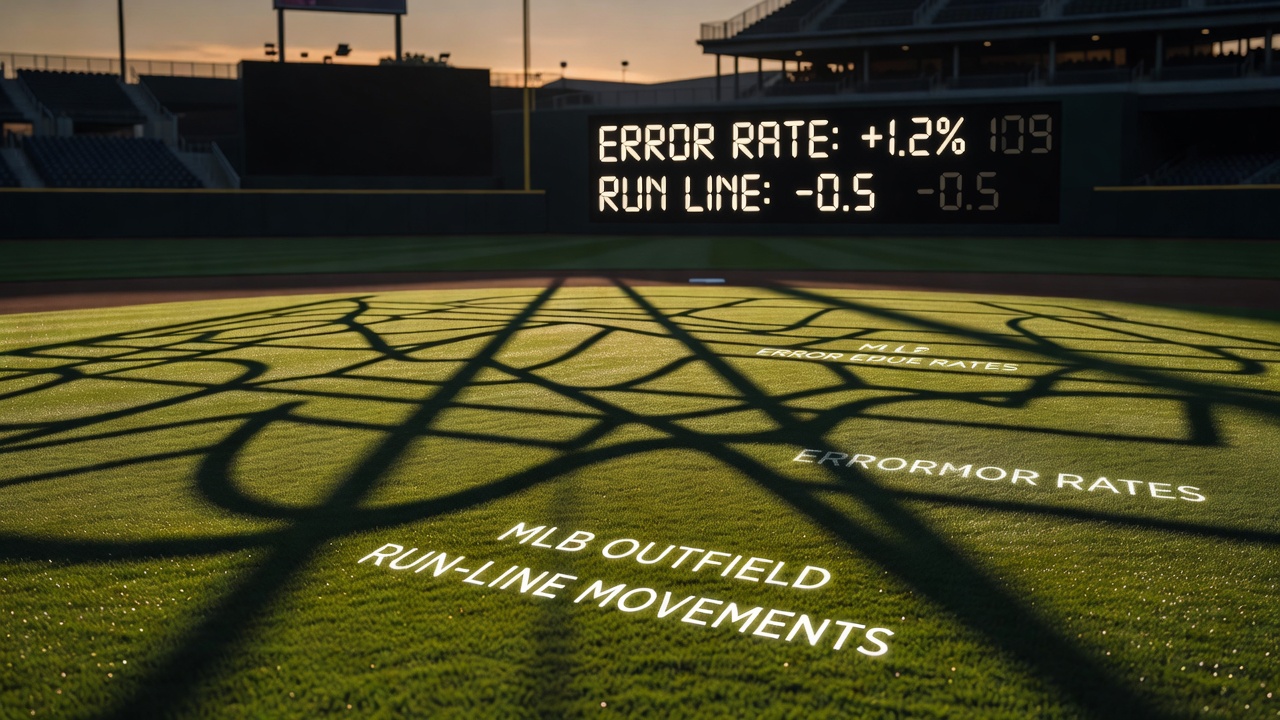
Run-line movements become more volatile in divisional matchups scheduled for back-to-back nights, because both clubs face identical light conditions and therefore comparable defensive degradation. Pitchers who induce fly balls see their earned-run averages climb when opponents capitalize on the extra bases created by outfield misplay, and this pattern appears consistently in datasets covering the second half of teh season.
Regional and Scheduling Factors
Coastal venues experience earlier shadow encroachment because of marine layers that diffuse sunlight, while inland stadiums contend with clearer horizons that produce sharper shadow boundaries. Scheduling departments attempt to mitigate these effects by moving start times earlier in September, yet August remains the peak period for dusk-related anomalies. Teams traveling across time zones encounter an added layer of difficulty because circadian adjustment can further impair visual processing during the critical innings.
Historical comparisons drawn from 2019 through 2025 demonstrate that the introduction of LED lighting systems in several parks has reduced but not eliminated the error spike, because supplemental illumination still leaves transition zones where natural and artificial light compete. Those zones shift nightly depending on cloud density and atmospheric moisture levels reported by the National Oceanic and Atmospheric Administration.
Case Examples from Recent Play
One series between West Coast clubs in mid-August 2026 produced six outfield errors across three games, all occurring after local sunset and directly contributing to four unearned runs. The resulting totals exceeded the posted line in each contest, prompting oddsmakers to widen the over option by a full run for the following week. Similar clusters appeared in interleague play where American League teams visited National League parks without designated hitters, increasing the frequency of late-inning fly balls that test outfielders under fading light.
Conclusion
Environmental lighting changes at dusk continue to influence defensive execution and subsequent betting line movement across Major League Baseball. Aggregated statistics demonstrate consistent patterns that connect sunset timing, outfield error rates, and run totals, giving market participants quantifiable edges when they incorporate venue-specific data into their models. As schedules evolve and ballpark technology advances, these interactions remain a measurable component of evening game outcomes.